Voyages & Discovery
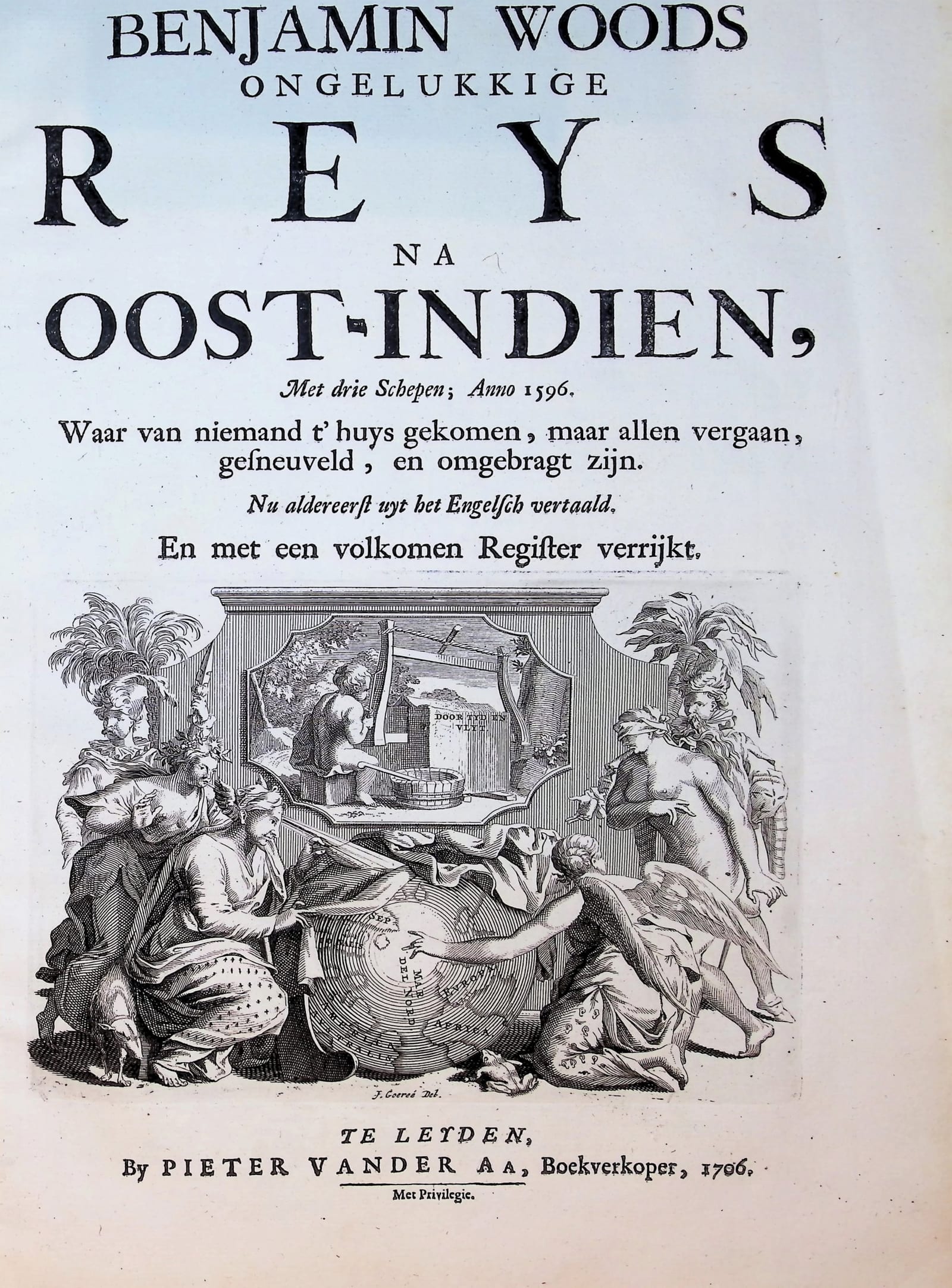
Benjamin Woods ongelukkige reys na Oost-Indien, met drie schepen; anno 1596. Waar van niemand t'huys gekomen, maar allen vergaan, gesneuveld, en omgebragt zijn
WOOD, Benjamin (voyage); translated from the English (after Samuel PURCHAS) · Leiden · Pieter vander Aa · 1706
Van der Aa's Dutch translation of the account of Benjamin Wood's voyage to the East Indies of 1596, from which no one returned, Leiden 1706.
FM-0262
€ 375 VAT included (margin scheme)
Free insured shipping. The price shown is the price you pay.
Key Properties
Edition: the Dutch translation published by Pieter van der Aa, the title-page stating it is translated from the English for the first time ("Nu aldereerst uyt het Engelsch vertaald")
Imprint: Te Leyden, by Pieter vander Aa, Boekverkoper, 1706. Met Privilegie
Illustration: title-page with an engraved allegorical vignette signed J. Goeree del.
Index: "En met een volkomen Register verrijkt"
Size: 34 x 45 cm
Binding: in a plain heavy paper cover
Collation & Technical Description
Title-page with engraved vignette.
De reys van Benjamin Wood na Oost-Indien, anno 1596, pp. 1-6, ending with "Eynde" and a woodcut tailpiece.
Register van de voornaamste saken in dese reys begrepen, ending with "Eynde" and a woodcut tailpiece.
Size: 34 x 45 cm.
Condition
Slight discolouration to the outer leaves, some spotting and light browning to the margins, consistent with age.
References & Bibliography
STCN 190878681 (this part); STCN 190036478 (De wijd-beroemde voyagien na Oost- en West-Indien ... gedaan door de Engelsen)
Tiele, Nederlandsche bibliographie van land- en volkenkunde (Amsterdam 1884), p. 4
Description
In 1596 a fleet of three ships, the Bear, the Bear's Whelp and the Benjamin, was fitted out largely at the cost of Sir Robert Dudley and placed under the command of Benjamin Wood, with the London merchants Richard Allot and Thomas Bromfield on board. The merchants carried a letter from Queen Elizabeth to the Emperor of China, dated Greenwich 11 July 1596, which is printed here in full: the voyage was meant to open English trade with China itself.
None of the men came home. As the text explains, the only account of their fate came from an intercepted Spanish letter, written at Porto Rico on 2 October 1601 by the Licentiate Alcazar de Villa Señor to the King of Spain. In it he reports that four English survivors, with what they had taken from Portuguese ships, reached the island of Utias in a small boat; that a Spaniard, Don Rodrigo de Fuentes, and his companions robbed them of their gold, silver and precious stones and murdered them; and how he tried Don Rodrigo for it. The register lists the people and events of the story.
Historical Significance
The Wood expedition was one of the earliest English attempts to reach the East by sea before the founding of the East India Company in 1600, and one of its most tragic: the title-page itself states that no one returned, all having perished, been killed or murdered. Its story survived only through the Spanish letter, which Samuel Purchas later printed in English.
Pieter van der Aa (1659-1733) of Leiden published, from 1706 onwards, a large collection of voyage accounts translated into Dutch, issued as separate parts with their own title-pages and later gathered into his collected editions. This part belongs to the series of English voyages.
Related works
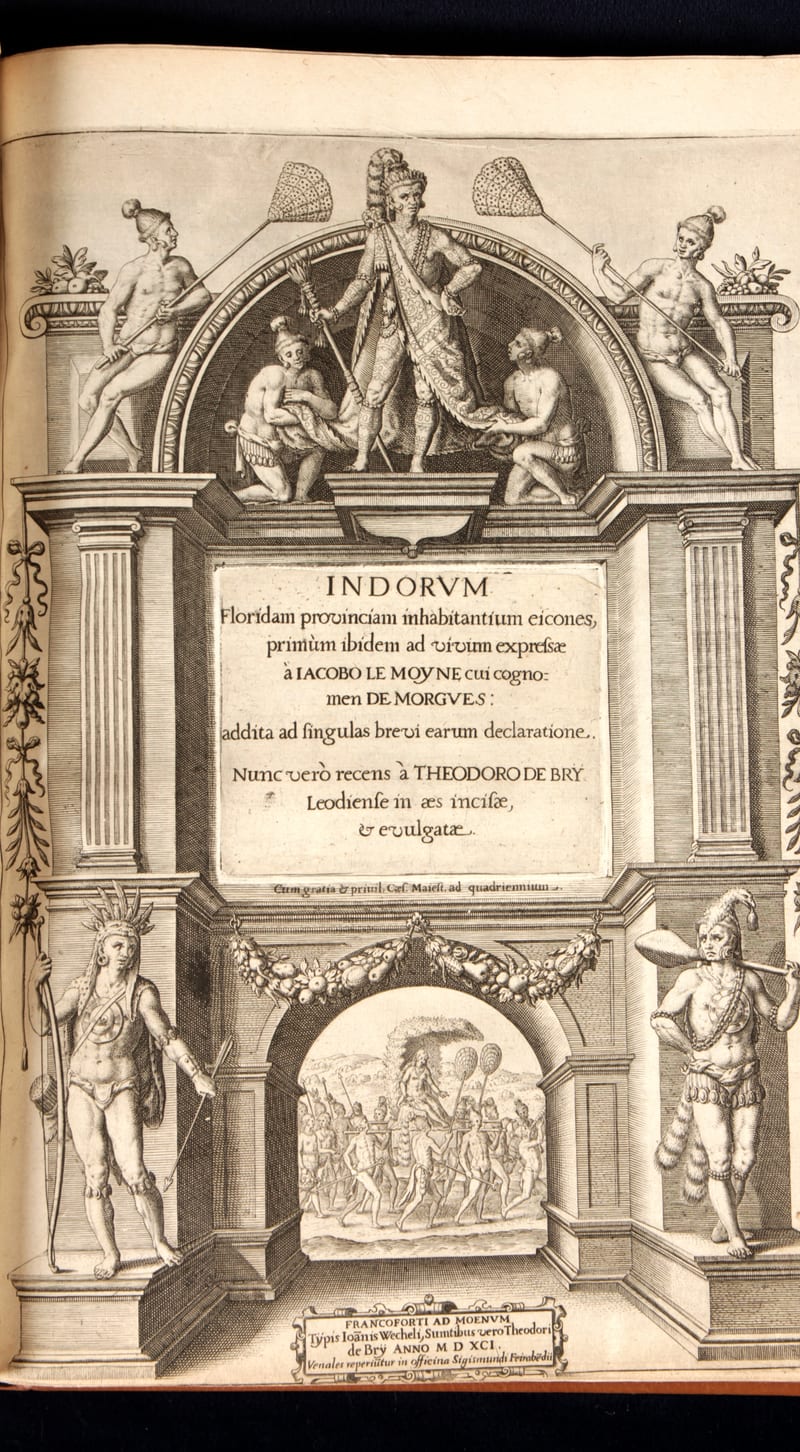
Voyages & Discovery · FM-0022
Grands Voyages & Petits Voyages, The Complete De Bry
Theodor de Bry (1528–1598) and sons Johann Theodor & Johann Israel de Bry · Frankfurt · 1590–1634
Price on request
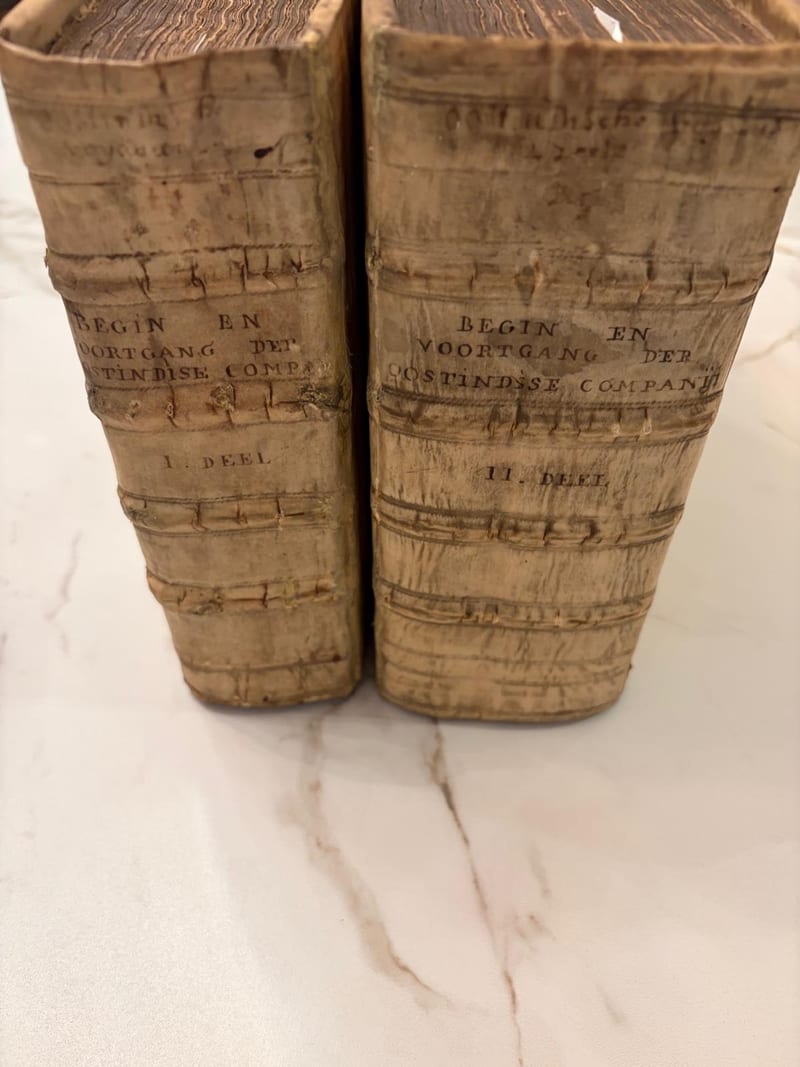
Voyages & Discovery · FM-0044
Begin ende Voortgangh van de Vereenighde Nederlantsche Geoctroyeerde Oost-Indische Compagnie
Isaac Commelin (compiler and editor) · Amsterdam · 1646
Price on request
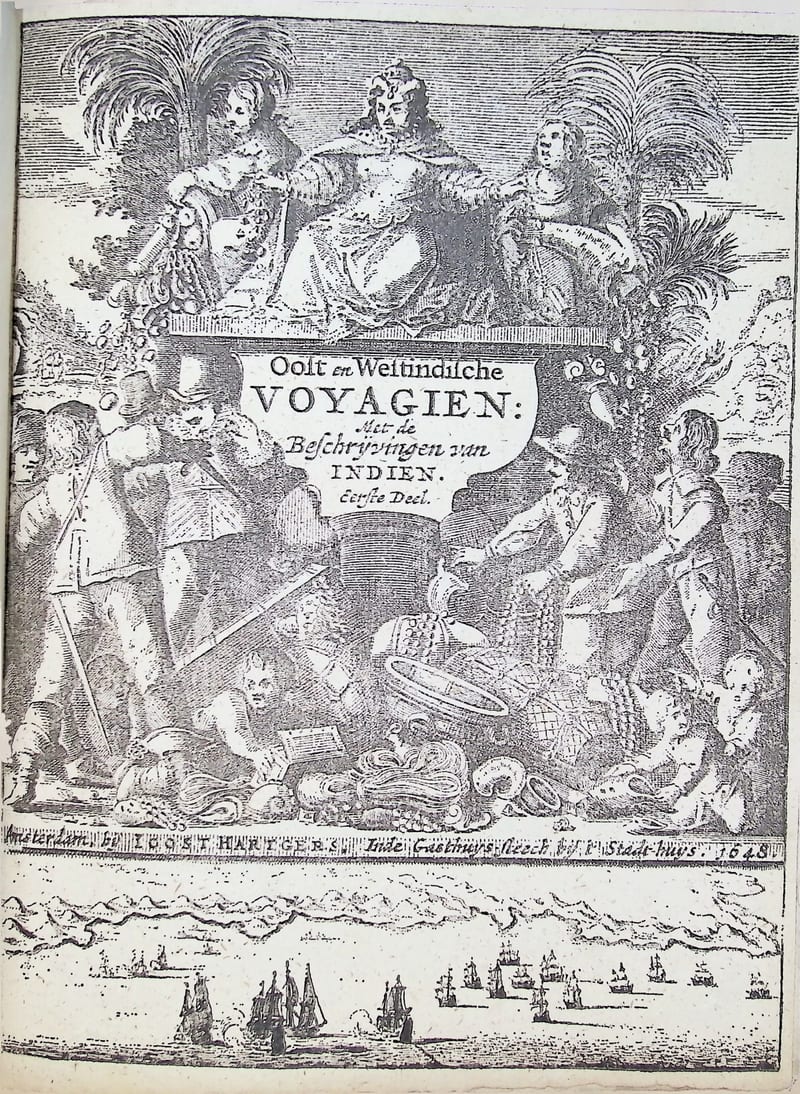
Voyages & Discovery · FM-0030
Oost-Indische voyagien
Joost Hartgers (collector & printer); various authors · Amsterdam · 1648
Price on request
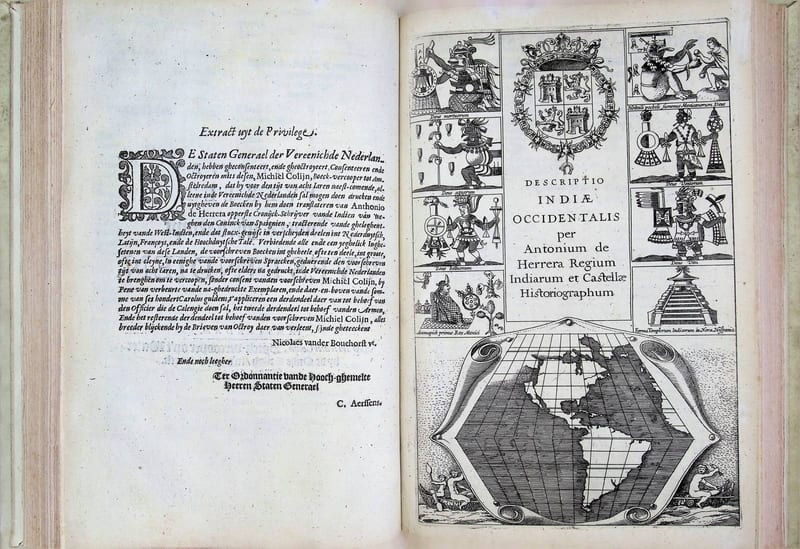
Voyages & Discovery · FM-0033
Spieghel der Australische navigatie
Jacob le Maire; Antonio de Herrera; Pedro Ordóñez de Ceballos · Amsterdam · 1621–1622
€ 35.000
All 33 works: The Dutch East India Company (VOC) →