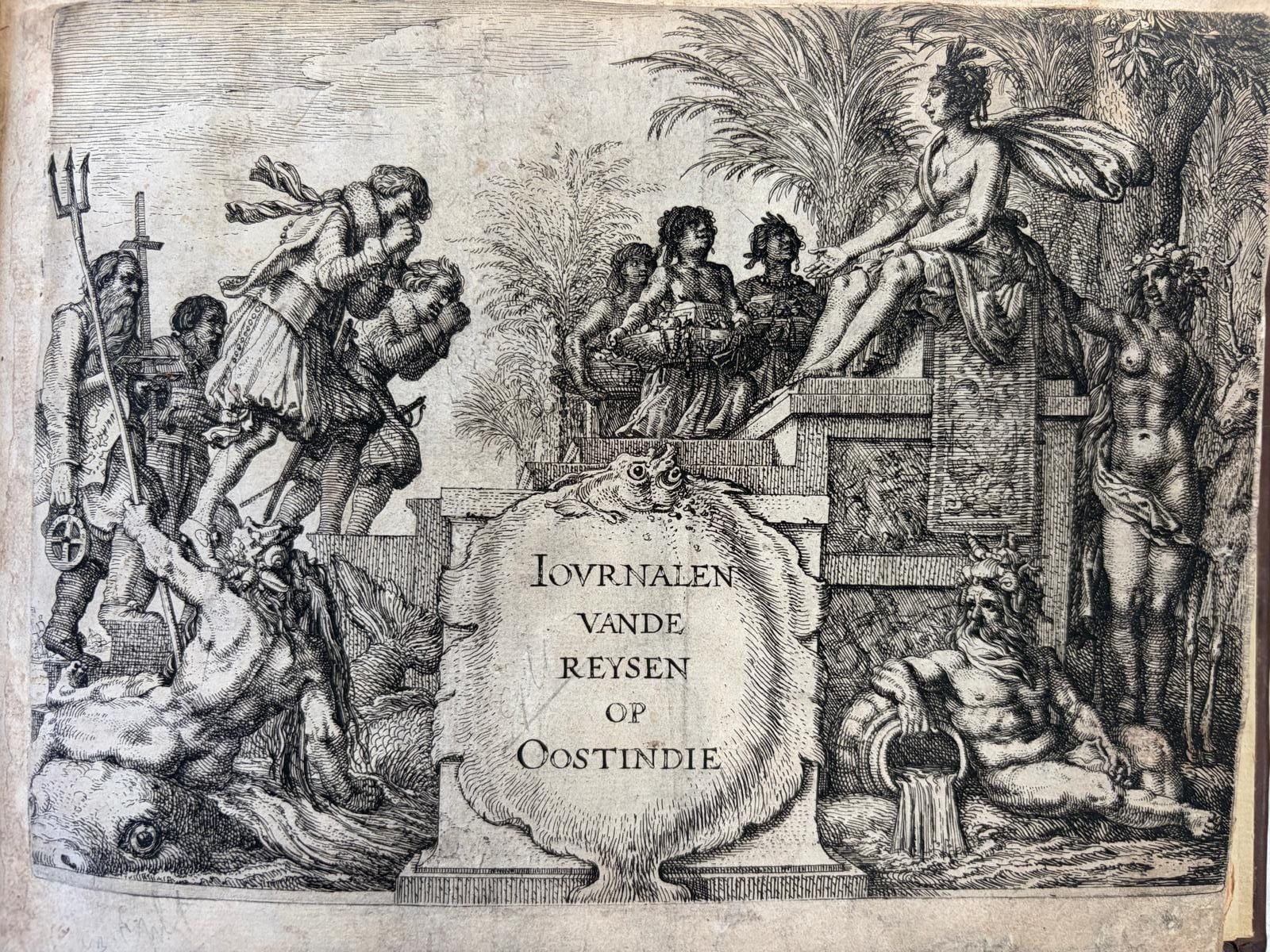
Voyages & Discovery
Oost-Indische en West Indische voyagien: drie seylagien by Noorden om na de coninckrijcken van Cathay ende China (Eerste voyage)
Gerrit de Veer (Willem Barentszoon) · Amsterdam · Michiel Colijn · 1619
The Barentszoon voyages in search of the north-east passage and the winter on Nova Zembla; part one of Colijn's series, Amsterdam 1619
FM-0069
€ 12.000
Key Properties
Format: Oblong quarto
Binding: Modern calf in style
Illustration: 31 plates
Series: Part one of Michiel Colijn's series of eleven voyages
Language: Dutch
Collation & Technical Description
Oblong quarto. Part one of the Colijn series edition. Preliminaries of 4 leaves (the engraved series title-page, the letterpress title to the series of eleven books, the introduction and the voor-reden to the series) and 34 leaves of instruction to the series, followed by 76 leaves for the book itself, including 31 plates. Bound in modern calf in the period style.
Condition
The first four leaves restored; a small strip added to the lower margin of six leaves, not affecting the text. Bound in modern calf in the period style.
Description
The account of the three Dutch voyages in search of the north-east passage to Cathay and China, here as part one of the series of voyages published at Amsterdam by Michiel Colijn in 1619. The central figure is Willem Barentszoon, and the volume records the three seylagien (sailings) made in three successive years by the north.
Jan Huygen van Linschoten took part in the first two voyages (1594 and 1595) and published his own report on them (Franeker, 1601). The third voyage ended in disaster: the crew were forced to overwinter on Nova Zembla in the Behouden Huys (the Saved House). The story of their survival became an instant icon of polar voyaging and endurance. Among the survivors was Jacob van Heemskerk, who later commanded Dutch voyages to the East Indies.
The third voyage made history: Barentszoon, Jacob van Heemskerck and their crew became the first Europeans to overwinter in the Arctic, sheltering in the Behouden Huys, a hut built from driftwood and ship's timbers, from roughly August 1596 until June 1597. On the outward voyage they discovered Spitsbergen (Svalbard) and Bear Island. Barentszoon himself died on 20 June 1597, about a week after leaving Nova Zembla, and the Barents Sea is named after him. The author of this account, Gerrit de Veer, sailed as an officer on the second and third voyages and wrote as an eyewitness; his report, first published in 1598, became a bestseller across Europe. In 1871, almost 275 years later, the Norwegian Elling Carlsen rediscovered the Behouden Huys with much of its contents remarkably preserved, now in the Rijksmuseum.
Related works
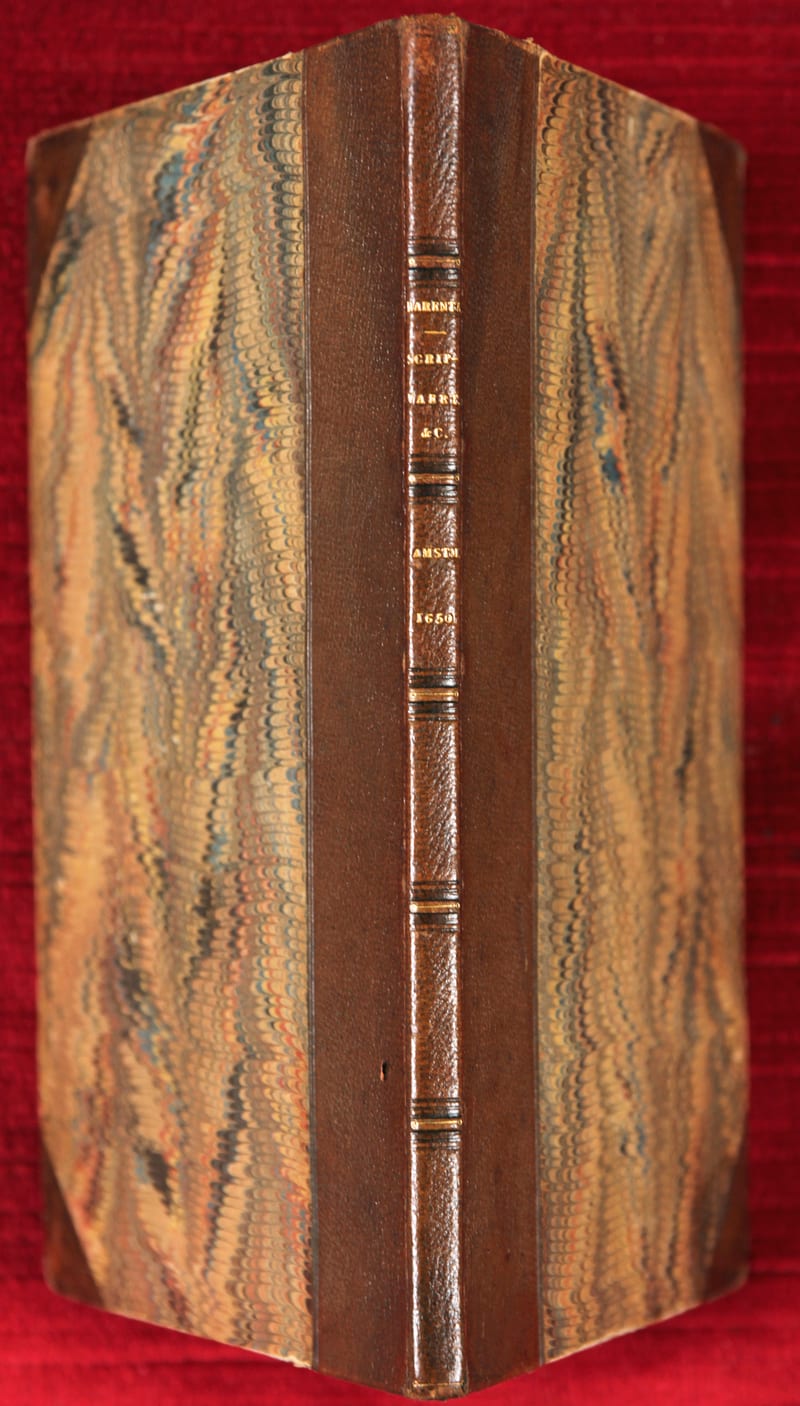
Voyages & Discovery · FM-0074
Verhael van de eerste Schipvaert by 't Noorden om
Gerrit de Veer · Amsterdam · 1650
€ 6.000
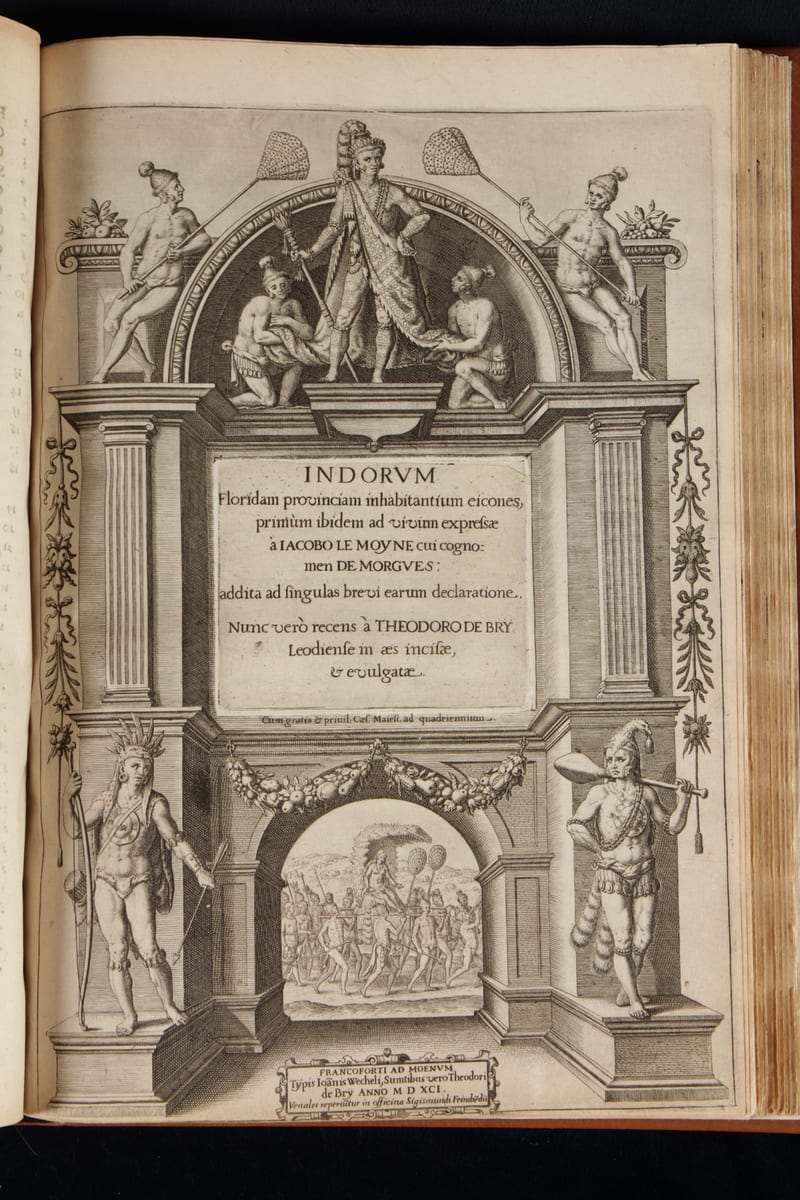
Voyages & Discovery · FM-0022
Grands Voyages & Petits Voyages, The Complete De Bry
Theodor de Bry (1528–1598) and sons Johann Theodor & Johann Israel de Bry · Frankfurt · 1590–1634
Price on request
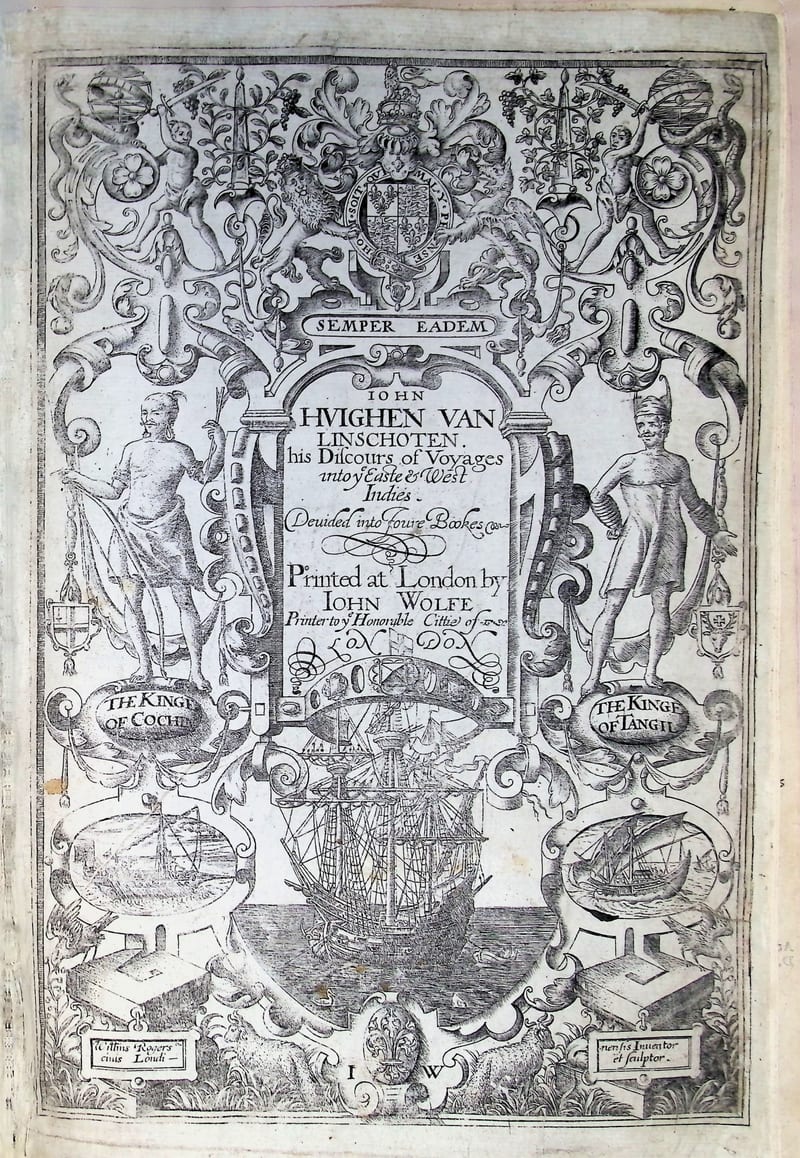
Voyages & Discovery · FM-0026
John Huighen van Linschoten his Discours of Voyages into ye Easte & West Indies
Jan Huygen van Linschoten (translated by William Phillip) · London · 1598
Price on request
Voyages & Discovery · FM-0044
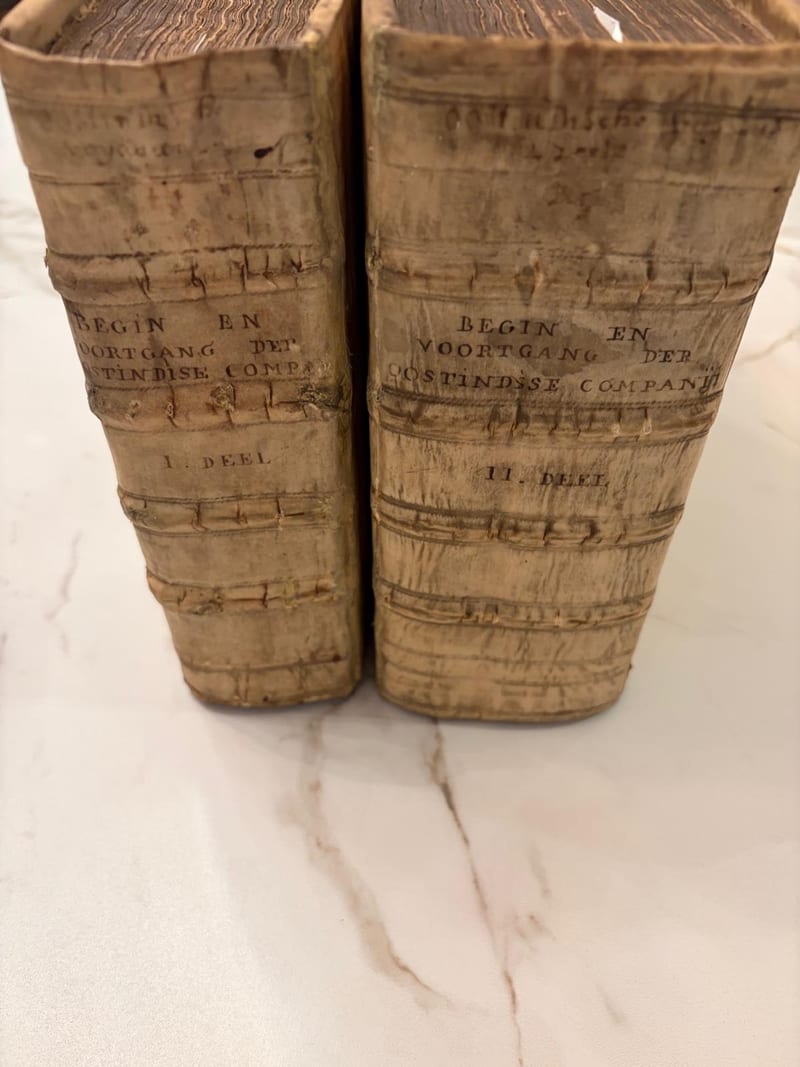
Begin ende Voortgangh van de Vereenighde Nederlantsche Geoctroyeerde Oost-Indische Compagnie
Isaac Commelin (compiler and editor) · Amsterdam · 1646
Price on request
All 2 works: Willem Barentsz and the Northeast Passage → · Willem Barentsz and the Northeast Passage · The Dutch East India Company (VOC)