|
Frederik Muller
Rare books · Maps · Atlases
Voyages & Discovery |
 |
|
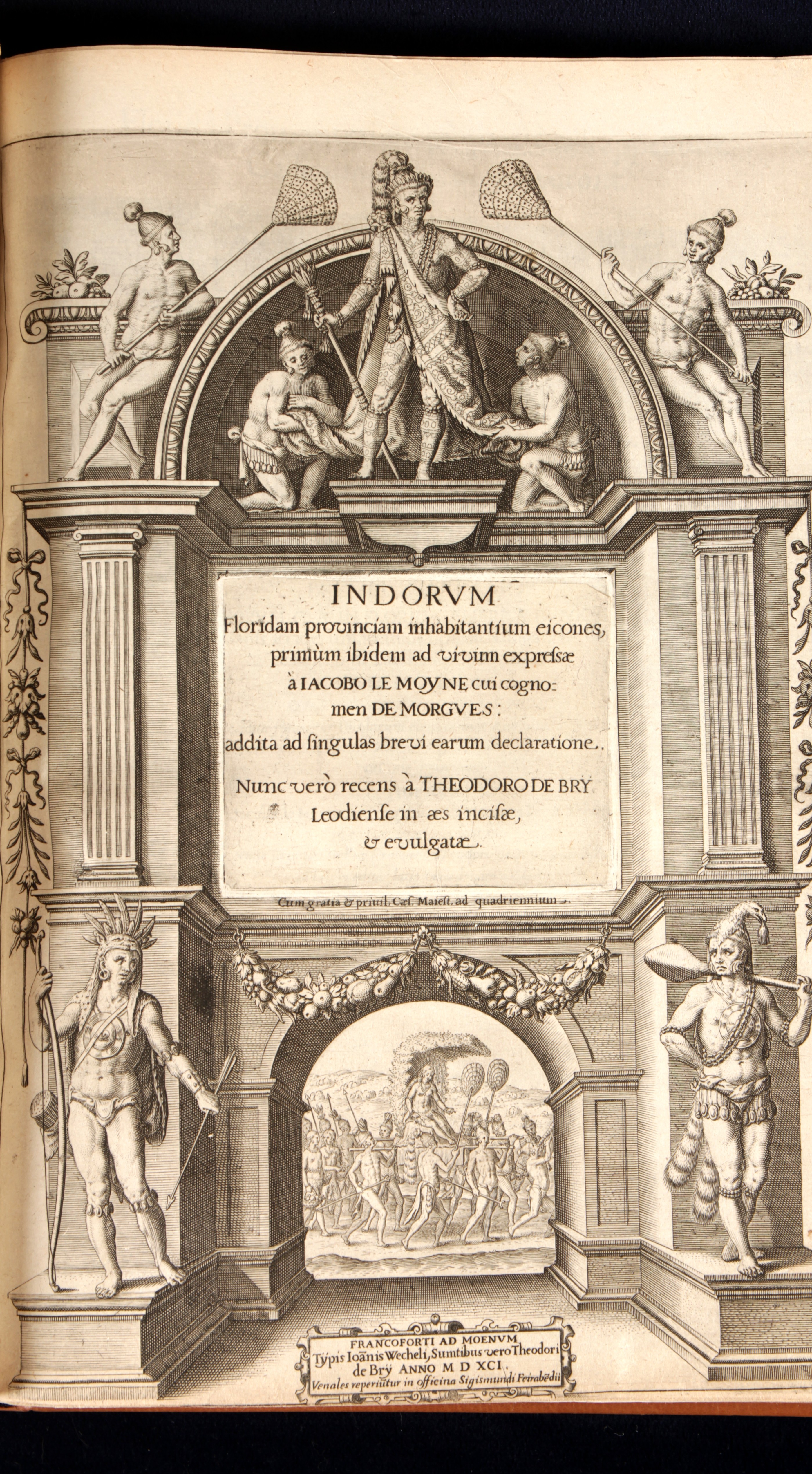
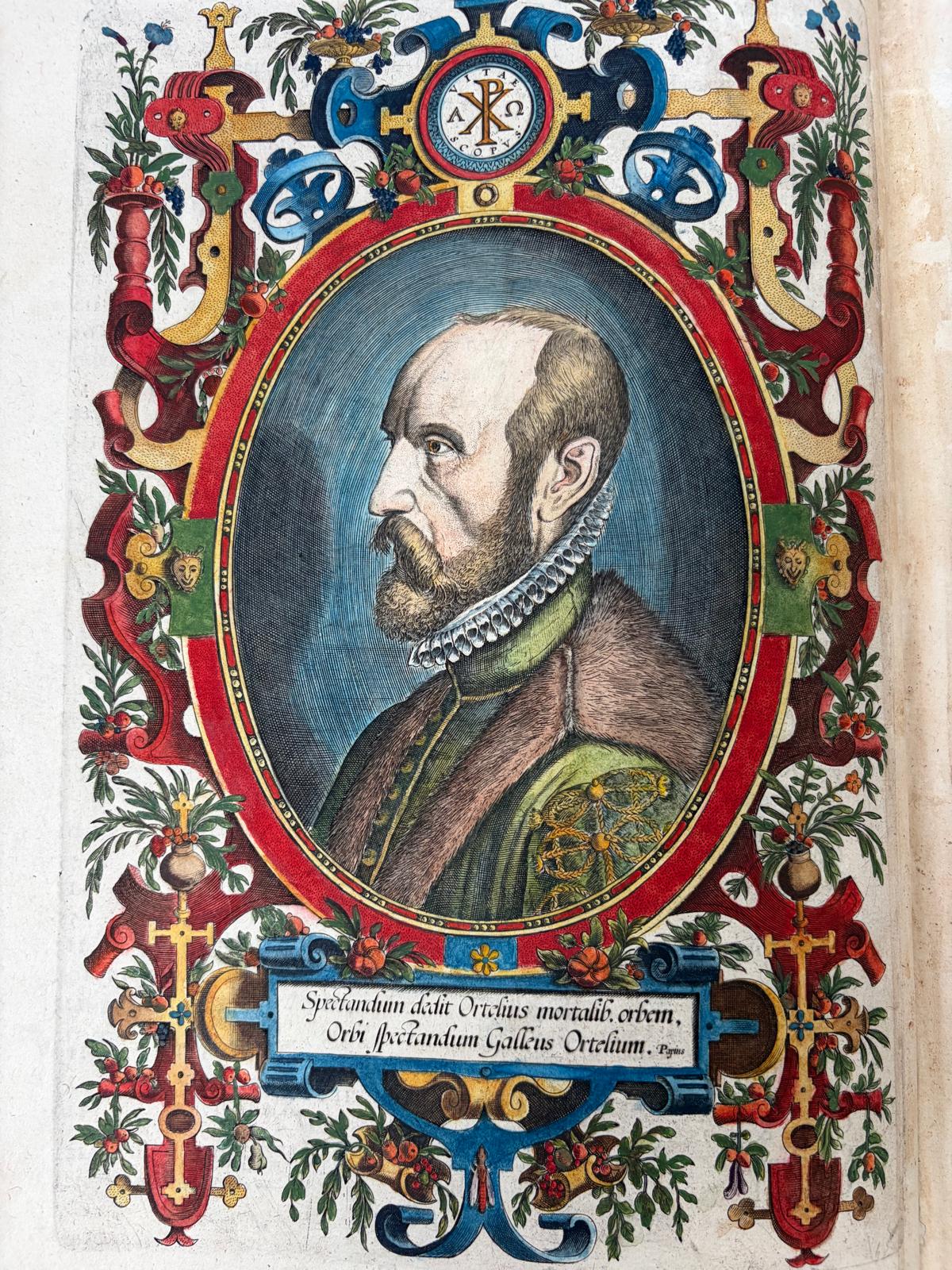
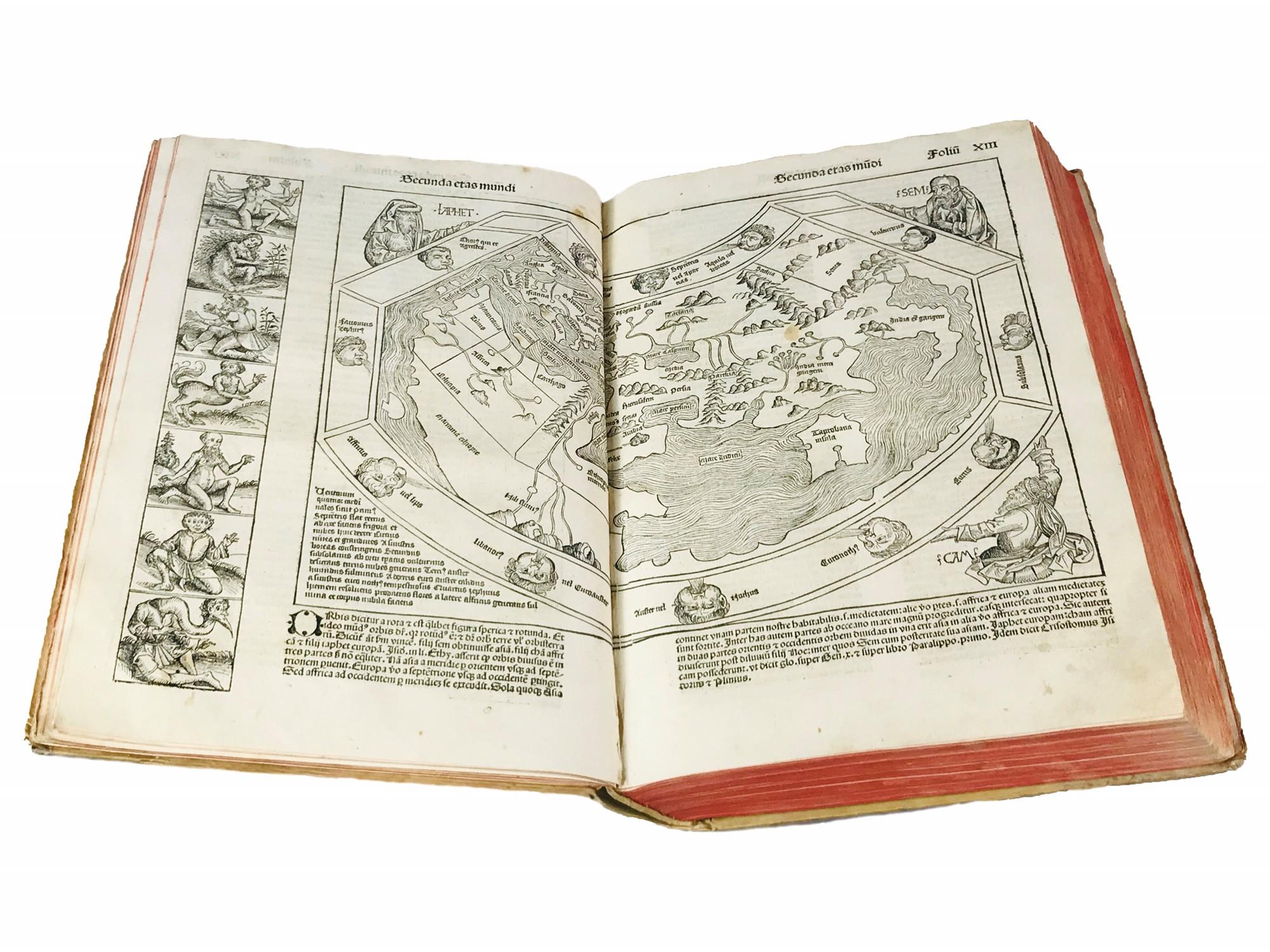
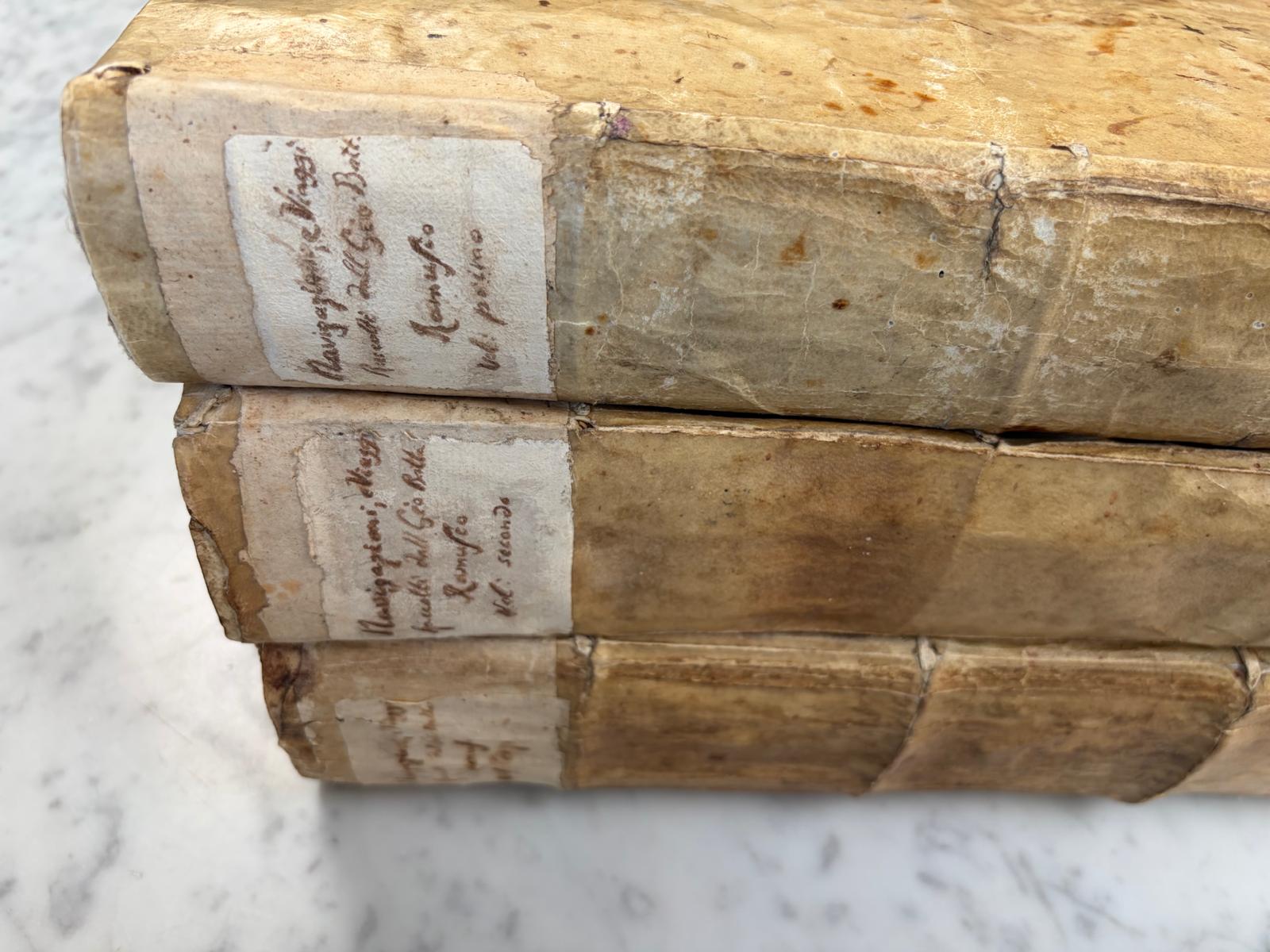
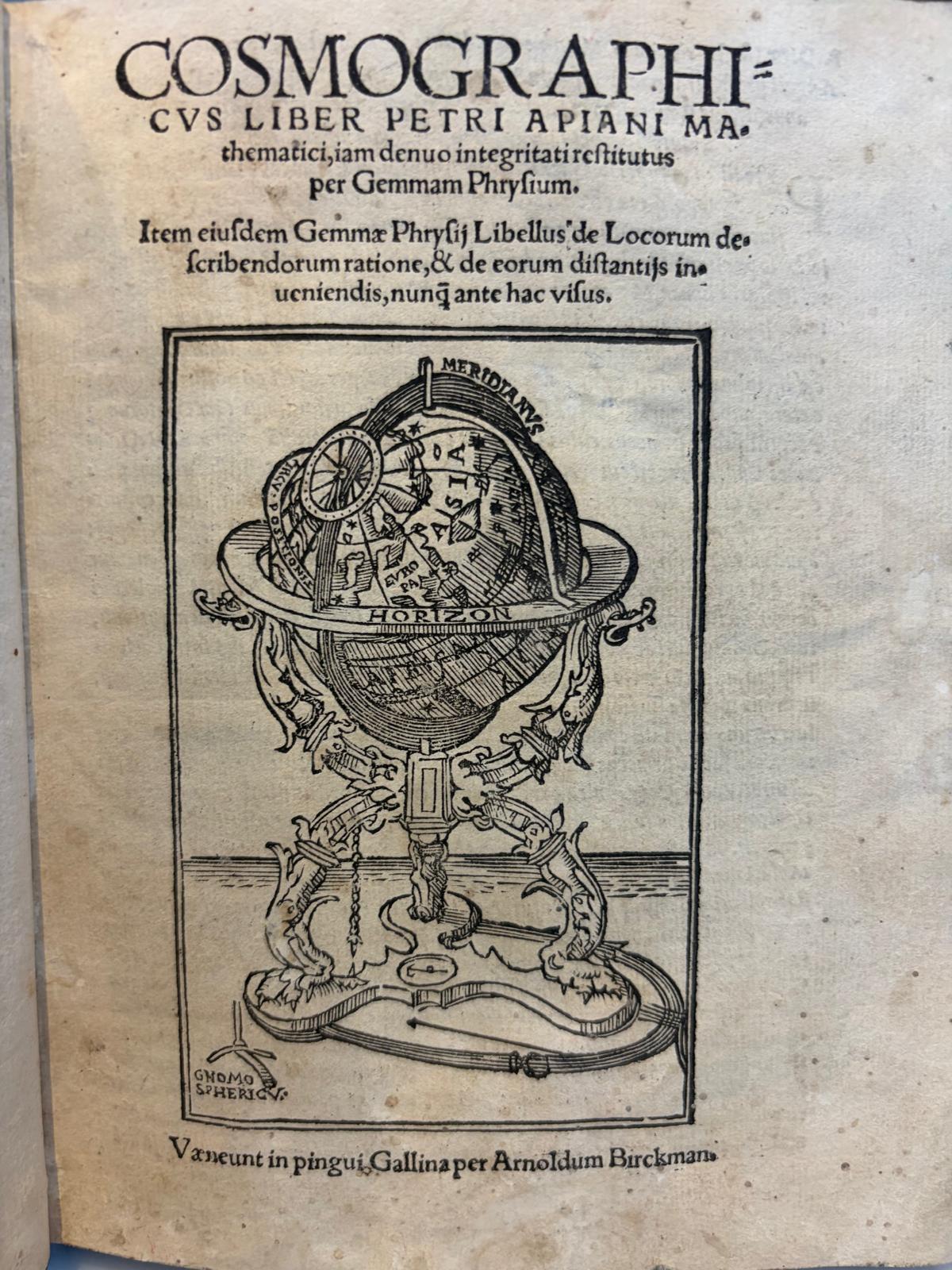
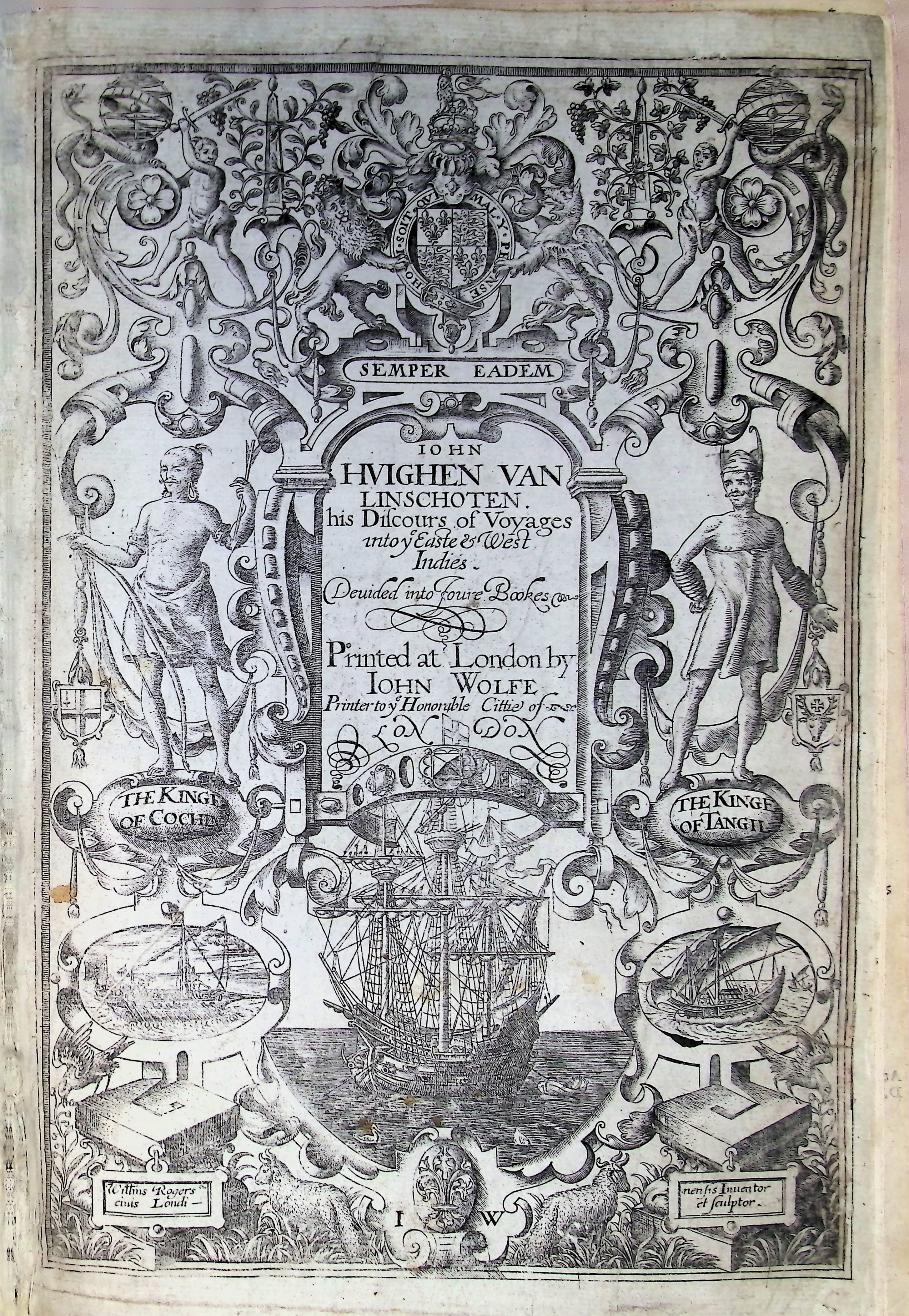
Dear colleague, The great voyages of the fifteenth to the eighteenth century changed how Europe saw the world, and the books and maps made in their wake are how we still know them: from the Nuremberg Chronicle and Apian's Cosmographia to Benzoni's history of the New World, the great travel collections of Ramusio and De Bry, the atlases of Ortelius and the reports of Van Linschoten, together with the books of navigation, astronomy and cosmography that made the voyages possible. These are the works Frederik Muller Rare Books is devoted to. The house carries the name of Frederik Muller (1817 to 1881), the Amsterdam bookseller and bibliographer whose catalogues of Americana and early voyages are still in use. In this first newsletter you will find some of the principal works now in the collection, our latest news and a selection from our Journal, where we write about the people and books behind the maps. The whole collection, with photographs and full descriptions, can be seen on our website: www.frederikmuller-rarebooks.com I would be glad to hear from you. |
|
Some of the principal works in the collection
|
|
News
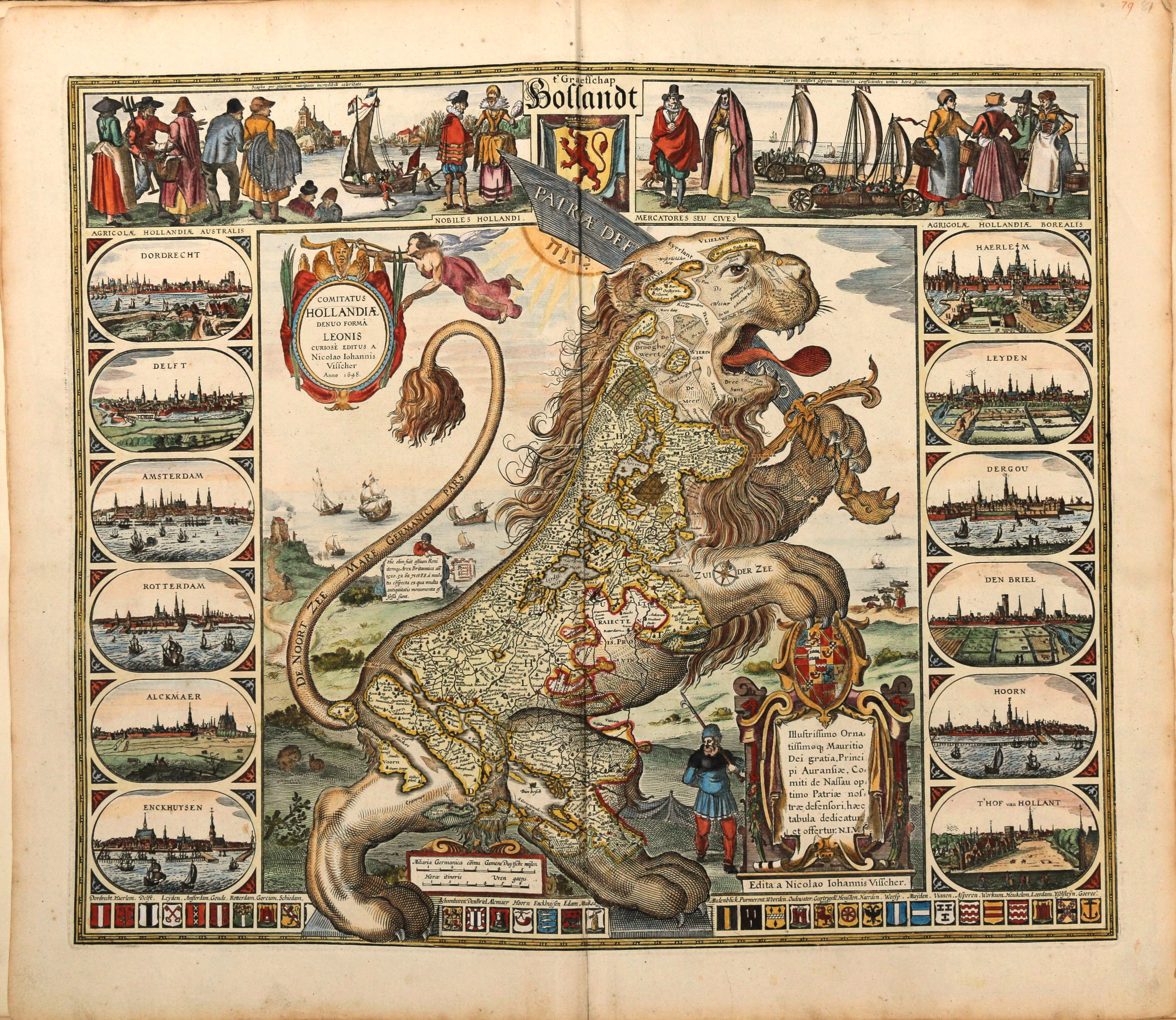
New this autumn: an uncut Reisch sheet, Renaissance science and maps from the Caert-Thresoor of 1598Many of the works that have joined the collection in recent weeks share a common thread. They are books and maps made to carry knowledge of the world beyond the scholar's study: an encyclopaedia for students, a vernacular commentary on the standard textbook of astronomy, a small atlas for the general reader, and printed accounts of voyages for a public eager for news from the East. Several of them also complete stories that other works in our collection begin. |
|
From our Journal
The Women Who Made the Maps The New World in Fifty Maps, 1561 to 1865 Abraham Ortelius: The Man Who Bound the World |
| The collection · The Journal · All news |
|
Patrick van Rossum
Frederik Muller Rare Books Willem Kesstraat 21, 1077 KR Amsterdam +31 6224 69100 patrick@frederikmuller-rarebooks.com · frederikmuller-rarebooks.com Visits by appointment |